Reclaiming The Body Through Aspects Of Colonial Narratives
The black female body has always been seen as an object, a device, something to be owned and never a way to self-proclaim and have ownership. Sylvia Wynter believes that identity is constructed and policed rather than something to have control over. But when considering Augusto Boal’s theatre techniques, can embodied performance allow for reimagining black female identity? Let us take a step back and try to intertwine both Boal’s and Wynter's theories and imagine a conversation between the two as a way to coexist with both individuals' thoughts.
Act 2
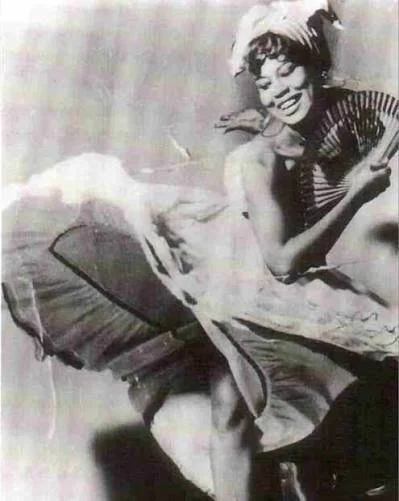
Scene 2: Two figures stand before one another and convene in conversation–Augusto Boal, a theatre visionary, and Sylvia Wynter, a radical theorist. The actors stand still before them, unable to move and persistent in their poses; a black female performer holding her body tight, surrounded by faceless figures pulling at her.
Boal
(Gesturing towards the performers)
This is Image Theatre. Here we don’t just speak truths; we shape them with our bodies. We show oppression, resistance, and transformation without the use of words. Instead of sitting back and watching, the audience steps in, reshaping and reimagining these stories.
Wynter
And yet, whose truths are being shaped? The black female body has long been an object, controlled by the colonial gaze and turned into a spectacle for consumption. Can your method truly allow us to take back that ownership?
Boal
Performance is power. When we embody that resistance, we’re rewriting the script that is forced upon us. Look over here.
(Boal points towards the performers)
What do you see? What is her struggle?
Wynter
(Interrupts)
No, the correct question to ask is, who decides what she struggles against?
An audience member steps up and moves the performers. The faceless figures release their grip, and the black female straightens her posture and lifts her head high.
Boal
This is the work. Liberation is not given; it is performed, and that is what allows us to shape our own realities.
Wynter
Then let us ensure that the performance does not favour old structures, but instead shatters them.
Stage Direction: The lights fade.